Lisbon Travel Guide for Brazilians: Time Zone, Best Season and Practical Tips
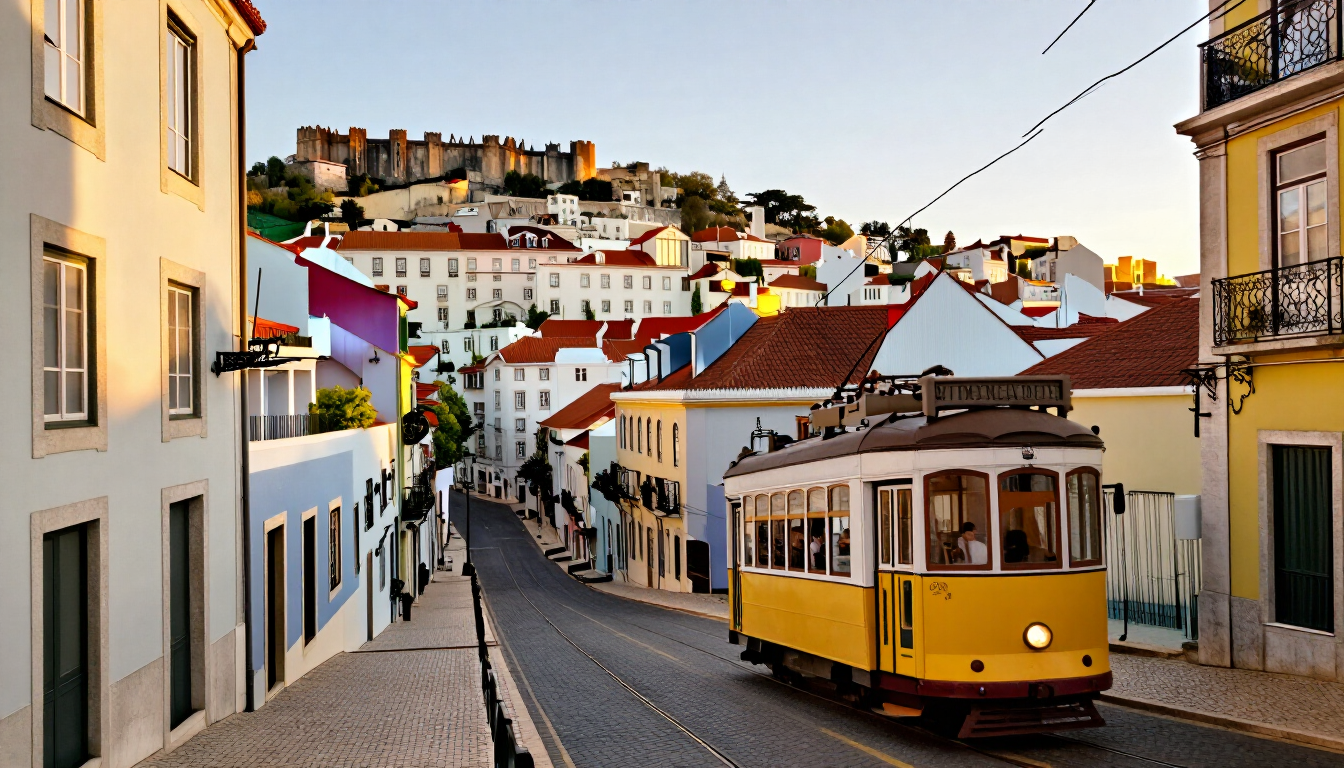
Lisbon is one of the most popular European destinations for Brazilians: same language, direct flights from several Brazilian cities and a small time difference. In this guide you will see how the time zone works, when to go, how to get there and what to plan before the trip.
Lisbon is one of the most popular European destinations for Brazilians: it shares the same language, has direct flights from several Brazilian cities and a small time difference. In this guide you will see how the time zone works, when to go, how to get there and what to plan before the trip.
Time difference between Brazil and Lisbon
Lisbon follows Portugal's time, which has daylight saving time. Compared to Brasília, the difference is 4 hours in the European summer and 3 hours in the winter. Daylight saving time in Portugal ends on 25 October 2026 and starts again on 28 March 2027. Example: if it is 2 PM in São Paulo, in Lisbon it is 6 PM in summer and 5 PM in winter. See the current time on the Lisbon page and understand the difference to other cities in the article about the time difference between Brazil and Europe.
When to go
- April to June and September to October: generally pleasant temperatures, long days and fewer crowds than at the peak of summer.
- July and August: hotter and very busy at the main sights.
- November to February: mild weather compared with the rest of Europe, but more rain.
How to get there
There are direct flights to Lisbon from several Brazilian cities, and availability changes with the season, so check with the airlines. Flight time is, on average, 9 to 10 hours from São Paulo and shorter from the Northeast. Since most flights are overnight, you usually arrive in the morning.
From the airport to the city center, the metro is a practical option and avoids traffic.
Entry rules
Brazilians do not need a visa for short-term tourism in Portugal, for up to 90 days within a 180-day period. Even so, entry rules in the Schengen area are changing, with new border control systems. Always check the current requirements on official government and airline websites before buying your ticket, and verify your passport's validity.
Where to stay
- Baixa and Chiado: downtown, good for walking and with plenty of transport.
- Alfama: historic district, charming and full of steep streets.
- Bairro Alto: lively nightlife, which means noise at night.
- Belém: near the main monuments, quieter.
- Parque das Nações: modern and calmer, away from the historic center.
What to do
- Jerónimos Monastery and Belém Tower.
- São Jorge Castle and the viewpoints, which give the best views of the city.
- Tram 28: popular and crowded, best to go early.
- Pastéis de nata at traditional pastry shops.
- Day trips by train to Sintra and Cascais, leaving from the city.
Lisbon has many hills and cobblestone streets, so bring comfortable shoes.
Practical tips
- Language: the Portuguese is the same, but the accent and some words are different.
- Currency: euro.
- Power outlets: Portugal uses outlets different from the Brazilian ones and a voltage of 230 V, so bring an adapter and check whether your devices accept the voltage.
- Transport: a rechargeable public transport card makes the metro, buses and trams easier.
Adjusting to the time zone
With a 3- or 4-hour difference, adjustment is quick. Shift your bedtime in the days before the trip, get natural light in the morning on arrival and avoid long naps on the first day. More tips in the guide on how to overcome jet lag and the traveler's guide to new time zones.
Summary
- Time difference: +4h in summer and +3h in winter compared to Brasília.
- Best season: April to June and September to October.
- No visa for short tourism, but check the current entry rules.
- Neighborhoods to stay: Baixa, Chiado, Alfama, Bairro Alto, Belém and Parque das Nações.
Rate this article
Related Articles

Time Difference Between Brazil and Europe: London, Paris, Madrid and Lisbon
The time difference between Brazil and Europe changes twice a year. See the full summer and winter table and when the clocks change in 2026.

How to Overcome Jet Lag: Science-Based Strategies
Cross time zones without losing days to exhaustion. Discover the biological hacks that frequent flyers use to immediately sync with their destination.

Adapting to New Time Zones: A Traveler's Guide
Step-by-step instructions on adjusting to life on the other side of the planet. Essential reading for global business travelers and digital nomads.